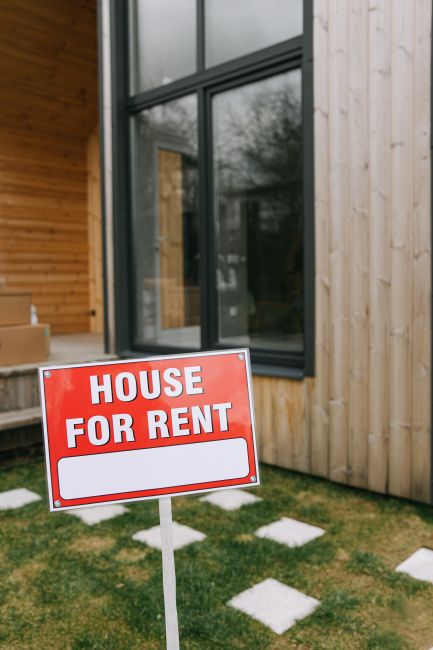
Landlord gardening services Pinner for rental property upkeep
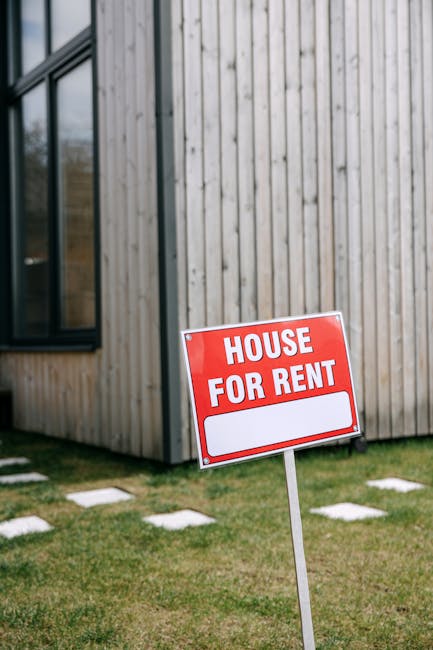
If you rent out a property in Pinner, the garden can quietly make or break the first impression. A tidy lawn, trimmed hedges, and a clear path say "well cared for" before a tenant even opens the door. Neglected borders, on the other hand, can make an otherwise solid home feel unloved. That is why landlord gardening services in Pinner for rental property upkeep matter so much: they help keep outside spaces presentable, safer, and easier to let.
In practice, this is less about fancy landscaping and more about steady, reliable upkeep. Think regular mowing, hedge trimming, seasonal tidy-ups, and sensible clearance after tenants move out. Done properly, it protects the appearance of the property, reduces avoidable complaints, and keeps the garden from becoming a weekend headache for everyone involved. Below, we'll walk through how it works, what to expect, and how to choose the right level of service without overpaying or under-managing the space.
Why Landlord gardening services Pinner for rental property upkeep Matters
A rental property garden is not just "outside space". It is part of the asset. When it is kept in good condition, the home feels easier to live in, easier to view, and easier to maintain over time. That sounds obvious, but landlords often underestimate how quickly a small patch of grass and a few shrubs can become an expensive, messy problem if left alone for one season too long.
In Pinner, where many homes have modest front gardens, back gardens, shared access routes, or long boundary hedges, maintenance adds up in subtle ways. A path blocked by overgrowth may frustrate tenants. A lawn left to run wild can encourage complaints from neighbours. And after a tenancy ends, a garden that has been allowed to drift can slow down re-letting, which is the kind of delay nobody wants.
There is also a simple presentation issue. Let's face it: people judge quickly. A freshly cut lawn and neat hedge can make a viewing feel calm and cared for. A scruffy one can suggest deeper neglect, even if the inside of the home is immaculate. That first visual impression matters more than landlords sometimes admit.
Expert summary: Reliable garden upkeep is not a luxury add-on. For rental homes, it is basic asset care, tenant goodwill, and presentation rolled into one.
To support that wider property upkeep, many landlords pair outdoor maintenance with regular garden maintenance and, when required, garden clearance after a move-out or a period of neglect. That combination usually covers the highest-risk jobs without making the landlord micromanage every blade of grass.
How Landlord gardening services Pinner for rental property upkeep Works
The process is usually straightforward, but the best results come from being specific. A landlord or letting agent identifies the garden condition, the frequency needed, and any problem areas. A service provider then schedules work around occupancy, access, and seasonal growth. Sounds simple. In reality, a clear brief saves a lot of back-and-forth later.
Most rental garden upkeep plans begin with a walk-through or description of the site. That might include the size of the lawn, hedge height, whether bins or stored items need moving, and whether there is decking, a shed area, or awkward side access. From there, the service can be tailored. One property may only need a monthly cut in spring and summer. Another may need a full tidy-up every few weeks because the garden grows fast and tenants are not expected to maintain it themselves.
Typical work for a rental property might include:
- grass cutting and edging
- hedge and shrub trimming
- weed control and border tidy-up
- leaf clearance and seasonal debris removal
- light pruning and shaping
- removal of dead plants or garden waste
- minor presentation work before a viewing or new tenancy
For more structured upkeep, landlords often combine mowing with professional lawn mowing and hedge trimming. If the property has a more developed outdoor layout, then landscaping services or landscape gardening may be relevant too, especially where paths, borders, or planting schemes need a tidier long-term plan.
There is one practical point worth stressing. The best rental garden maintenance is usually preventative, not reactive. If you wait until the garden has become unmanageable, you end up paying for more labour, more clearance, and more waste removal. A little regularity goes a long way.
Key Benefits and Practical Advantages
Good garden upkeep creates value in several different ways, and not all of them are obvious at first glance.
- Better tenant appeal: A tidy outdoor space helps the property stand out in listings and viewings.
- Less neighbour friction: Overgrown hedges and untidy boundaries can lead to avoidable complaints.
- Lower reset costs: Regular maintenance is often cheaper than big restorative jobs later on.
- Faster re-letting: A clean, ready garden helps new tenants move in without delay.
- Safer access: Clear paths, trimmed growth, and removed waste reduce trip and snag hazards.
- Better long-term plant health: Keeping on top of pruning and feeding issues prevents a garden from collapsing into neglect.
There is also a quieter benefit that landlords appreciate once they've felt it: peace of mind. You are not chasing down small problems every month. You are not waiting for a tenant to mention that the back fence is hidden behind brambles, or that the grass has gone from "slightly long" to "actually impossible". It just stays under control.
If the garden includes timber features or outdoor seating areas, it can make sense to coordinate with decking services so the whole external space feels coherent rather than patchwork. That matters when you are aiming for a clean, maintainable rental setup instead of a one-off cosmetic fix.
Who This Is For and When It Makes Sense
This kind of service is not only for large portfolios. In fact, single-property landlords often benefit the most because they do not have the time to monitor the garden every week. If you live outside Pinner, work full-time, or rely on a managing agent, regular outside maintenance can save a lot of awkward messages and last-minute calls.
It tends to make sense in these situations:
- the property has a lawn, hedge, or planted beds that grow quickly
- the tenant is responsible for the garden but struggles to keep up
- you want the property ready for a viewing or tenancy changeover
- the garden has become overgrown after a void period
- the home has a shared front garden or visible boundary area
- you need a more presentable exterior for premium rent positioning
It is also useful for landlords managing older homes with mature shrubs and trees. Mature planting can look lovely, but it can turn unruly fast. In those cases, services like tree lopping and removal may be needed when growth starts interfering with light, access, or safety. Not every garden needs heavy work, of course. But when it does, it is better handled early than after the branches are scraping windows or blocking gutters.
Truth be told, some landlords only realise they need support when they are already under pressure: a new tenant is moving in on Friday, and the garden looks like it has had a rough few months. That is usually the moment the service becomes very easy to justify.
Step-by-Step Guidance
If you want a smooth landlord gardening setup, the process is best handled in clear stages. Here is the practical version.
- Assess the garden honestly. Walk the site, note the lawn, hedges, weeds, bins, access issues, and any damaged areas.
- Decide what the property actually needs. A simple mow may be enough, or you may need clearance, pruning, and a repeat maintenance plan.
- Choose the right service mix. For many rentals, routine mowing plus hedge trimming covers the basics well.
- Set the frequency. Weekly, fortnightly, or monthly work depends on growth rate, property type, and who else is involved.
- Agree on access and timing. Make sure the provider knows whether the garden can be accessed by the side return, rear gate, or another route.
- Document the standard. A simple before-and-after record helps avoid disputes later, especially at the end of a tenancy.
- Review seasonally. Gardens change through the year. Spring and summer often need more attention than winter.
When a property has become neglected, start with a reset rather than jumping straight into routine upkeep. That may involve a garden clearance first, then a maintenance plan afterwards. This is a common-sense sequence, and it tends to be less stressful for everyone. You clear the mess, then you keep it from coming back. Nice and simple, in theory anyway.
A good rule is this: if you can't confidently explain the garden standard to a new tenant in one minute, the upkeep plan probably needs tightening. A short, plain brief usually beats a long, fuzzy one.
Expert Tips for Better Results
Small decisions make a big difference with rental gardens. That's where landlords often save money without even trying.
- Keep the job list short and repeatable. The more consistent the routine, the easier it is to manage costs and expectations.
- Separate cosmetic work from recovery work. Routine upkeep should not be mixed up with heavy clearance or redesign.
- Match the service to the season. Growth explodes in warmer months. Spring and early summer usually need tighter monitoring.
- Use photos before and after. Useful, not glamorous. But very useful.
- Think about tenant behaviour. Some tenants will do the basics; others will not. Build the plan around what really happens, not what should happen in a perfect world.
- Don't ignore hard surfaces. Paths, steps, and decking can make an otherwise neat garden feel unfinished if they are slippery or cluttered.
If you have outdoor timber areas, a tidy garden can look strangely incomplete when the surfaces are tired. That is where sensible maintenance sometimes overlaps with decking services or wider property presentation work. Not always. Just enough to keep the space coherent.
And one small but important tip: avoid treating every visit as a "quick fix". If the first visit finds issues, note them properly. Otherwise you'll end up with the same awkward problem again next month, and nobody enjoys that conversation twice.
Common Mistakes to Avoid
Landlords usually do not get garden upkeep wrong on purpose. It happens because the garden feels secondary until it suddenly isn't. Here are the mistakes that crop up most often.
- Leaving the garden until the tenancy ends. By then, the job is bigger, messier, and more expensive.
- Assuming the tenant knows the standard. "Keep it tidy" is not a plan. It is a wish.
- Mixing routine care with major works. A monthly mow and a major clearance are not the same thing.
- Ignoring access and storage problems. Locked gates, garden furniture, and bin placement can slow the job down.
- Letting hedges grow unchecked. Once they're too high, trimming becomes heavier work.
- Not budgeting for seasonal peaks. Gardens do not grow at a fixed pace all year. Wouldn't that be convenient?
Another common issue is failing to review the standard after a few months. If the same weeds, the same awkward patch, or the same access snag keeps showing up, the process needs adjusting. Not the garden's fault. Well, mostly not.
Tools, Resources and Recommendations
You do not need a huge toolkit to manage rental garden upkeep well. What matters more is having the right combination of services and a sensible schedule.
For landlords who prefer a simple service structure, these pages are useful starting points when building the right maintenance mix:
- lawn mowing for regular grass control
- hedge trimming for boundary and screening work
- garden clearance for neglected or end-of-tenancy gardens
- services overview for a broader look at available options
For landlords comparing providers, the most useful checklist is not flashy. Ask whether they can handle both one-off tidy-ups and repeat visits. Ask how they manage waste. Ask whether they can work around tenant occupancy. Ask how they record the condition if the garden is handed back in a poor state. Those details matter more than polished sales language.
If you want to understand pricing before committing, the pricing and quotes page is the sensible place to start. And if you are thinking about safety, insurance, or how jobs are handled on site, it is worth reviewing insurance and safety as well as the company's health and safety policy. Not thrilling reading, admittedly. Still important.
Law, Compliance, Standards, or Best Practice
Garden upkeep for rental property sits in a practical grey area. There is not one simple rule that fits every garden, but landlords still have responsibilities around safe access, reasonable upkeep, and avoiding hazards on the property. In everyday terms, that means an overgrown path, broken step, or poorly maintained boundary should not be ignored just because it sits outdoors.
Best practice in the UK rental market generally includes:
- keeping external areas reasonably tidy and safe
- making responsibilities clear in tenancy documents
- carrying out maintenance before small issues become bigger ones
- using competent contractors for work that involves height, tools, or waste removal
- ensuring tenant and contractor access is agreed properly
Where trees, tall hedges, or dense overgrowth are involved, extra care is sensible. Anything involving cutting at height, heavy branches, or obstructed access should be treated carefully and not rushed. That is one reason many landlords prefer a provider with clear working practices and a visible safety approach rather than trying to manage the job casually.
There is also a sustainability angle. Garden waste should be handled responsibly, and landlords increasingly appreciate providers who think about recycling and practical waste reduction. If that matters to you, the recycling and sustainability page gives a useful sense of the approach. It is a small detail, but over a year it adds up.
Options, Methods, or Comparison Table
Different rental gardens need different levels of support. The right choice depends on how fast the space grows, how visible it is, and how much the tenant is expected to do.
| Approach | Best for | Pros | Watch-outs |
|---|---|---|---|
| One-off tidy-up | Void periods, move-ins, or neglected gardens | Fast reset, strong visual improvement | Does not prevent future overgrowth |
| Regular maintenance | Occupied rentals with ongoing upkeep needs | Predictable, keeps standards steady | Requires scheduling and review |
| Seasonal visits | Slower-growing gardens or low-risk properties | More economical than frequent visits | Can slip if growth suddenly accelerates |
| Combined clearance + maintenance | Overgrown or previously neglected properties | Best for full recovery and then control | Higher initial cost than simple upkeep |
In many cases, the combined approach is the sweet spot: clear the garden properly, then maintain it on a sensible schedule. That pattern is especially effective when a property has been empty, or when a previous tenant left the outdoor space in a rough state.
Case Study or Real-World Example
Picture a typical rental house in Pinner with a modest back garden, a narrow side passage, and a hedge that grows faster than anyone would like. The property is let to a family, and the tenants are decent people, but gardening is not their strong point. By late summer, the lawn has thinned, the hedge has started leaning into the path, and weeds are making a quiet comeback around the patio.
Rather than waiting for the end of the tenancy, the landlord arranges routine garden upkeep. The first visit focuses on restoration: a proper cut, hedge trim, weed tidy-up, and waste removal. The garden goes from looking a bit tired to looking cared for again. After that, the visits become lighter and quicker, because the space is no longer slipping into neglect between appointments.
The practical difference is not dramatic in a flashy way. It is calmer than that. The tenants stop mentioning the garden. Viewings feel easier. The landlord no longer gets anxious messages about the hedge "probably needing a bit of a sort out". And when the tenancy eventually changes, the garden is already close to ready, which saves a scramble at the end.
That is the real value, honestly. Not perfection. Just a property that stays under control and does not create drama.
Practical Checklist
Before arranging landlord garden upkeep in Pinner, run through this quick checklist.
- Confirm whether the garden needs routine maintenance, a one-off clearance, or both
- Note any access issues, locked gates, or narrow side paths
- Identify high-priority areas such as lawns, hedges, paths, and planting beds
- Agree who is responsible for ongoing upkeep between visits
- Check whether waste removal is included or quoted separately
- Ask for a simple standard of finish so expectations are clear
- Review seasonal frequency rather than using the same schedule all year
- Keep records of before-and-after condition where helpful
- Coordinate garden work with tenancy changeovers when possible
- Revisit the plan after the first few visits to see if it is working
If you are comparing providers, it is also sensible to look at the company's about us page for background, payment and security for how transactions are handled, and complaints procedure for what happens if something goes wrong. These are unglamorous checks, yes, but they give you a clearer picture of how the business operates.
Conclusion
Landlord gardening services in Pinner for rental property upkeep are really about staying ahead of problems. A managed garden improves presentation, supports tenant satisfaction, reduces avoidable complaints, and keeps the property easier to let. That is true whether you own a single house or several rentals. A little routine care can prevent a lot of seasonal chaos.
The best approach is usually simple: assess the current condition, choose the right mix of mowing, trimming, clearance, or landscaping support, and build a schedule that fits the property rather than hoping the garden will somehow look after itself. It won't. Gardens are very honest like that.
For landlords who want a clean, reliable exterior without the stress of chasing individual jobs, the smart move is to put upkeep on a proper footing now. That keeps the property presentable, protects value, and makes life easier for everyone involved. And that, to be fair, is the kind of small win that tends to pay back quietly over time.
Get a free quote today and see how much you can save.
Frequently Asked Questions
What do landlord gardening services usually include?
They usually cover the practical outdoor jobs that keep a rental garden presentable: lawn mowing, hedge trimming, weeding, light pruning, leaf clearance, and general tidying. Some properties also need occasional garden clearance or waste removal if the space has been neglected.
How often should a rental property garden be maintained?
It depends on how quickly the garden grows and how visible it is. A fast-growing lawn or hedge may need more regular visits in spring and summer, while lower-maintenance gardens may only need seasonal attention. The right schedule is the one that keeps the property under control without over-servicing it.
Is it better to do one-off clearance or regular upkeep?
Often both are needed at different stages. A one-off clearance helps reset an overgrown garden, but regular upkeep is what stops it slipping back again. If the garden is already tidy, ongoing maintenance is usually the better value.
Can landlord garden services help before new tenants move in?
Yes, and that is one of the most useful times to use them. A clean lawn, trimmed hedge, and cleared path make the property easier to present and can reduce last-minute pressure during move-in week. It's a small detail that makes a real difference.
What if the tenant is supposed to look after the garden?
That can work, but it does not always mean the garden stays in good shape. Some tenants manage basic tasks well; others simply don't have the time, tools, or experience. Many landlords use a clear agreement plus occasional professional upkeep to avoid disputes and keep standards steady.
Do rental gardens always need landscaping work?
No. Most rental gardens only need maintenance, not redesign. Landscaping is more relevant if the layout is awkward, damaged, or difficult to maintain. In many cases, routine care is enough to keep everything looking good.
What should landlords check before booking a service?
Check access, the size and condition of the garden, whether waste removal is included, and how often visits are needed. It also helps to confirm the expected finish so nobody is assuming something different. A few clear details upfront save a lot of hassle later.
Is garden maintenance worth it for a small rental property?
Usually, yes. Even a small front garden can affect first impressions and neighbour relations. Small spaces can look very smart when maintained well, and they can look surprisingly rough when ignored. The cost of upkeep is often easier to justify than a bigger clean-up later.
How do I know if my garden needs a clearance rather than a tidy-up?
If there is thick overgrowth, lots of debris, or areas you can barely access, a clearance is probably the better starting point. A tidy-up is for gardens that are generally manageable but need a clean, neat finish. When in doubt, ask for an assessment rather than guessing.
Are hedges and trees part of rental property upkeep?
Yes, they often are. Hedges can affect privacy, light, and access if left unchecked, and trees may need careful management if they are obstructing paths or creating safety issues. That is where hedge trimming or tree lopping and removal can become relevant.
How do landlords keep garden costs under control?
The biggest savings usually come from regular maintenance, clear scope, and avoiding last-minute emergency jobs. It also helps to separate routine care from heavy clearance, because those are different jobs with different costs. The earlier a garden is managed, the cheaper it usually stays.
What makes a good garden maintenance provider for landlords?
A good provider is reliable, clear about what is included, sensible about timing, and careful with access, waste, and safety. It helps if they can handle both one-off and ongoing work, because rental properties do not always stay in the same condition from one season to the next.