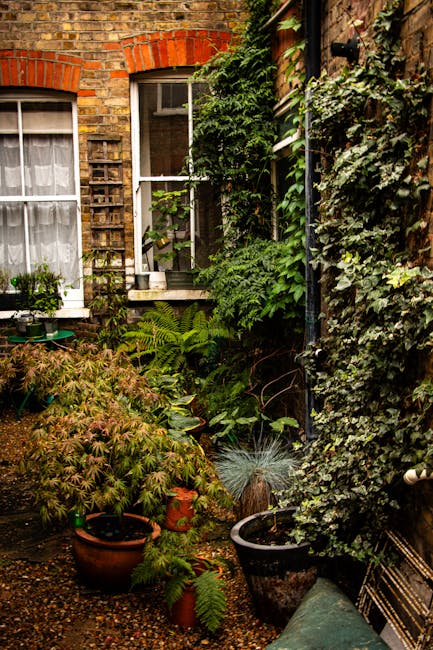
Pinner gardeners for small gardens on Pinner High Street: a practical guide for making compact outdoor spaces feel calm, useful, and beautiful
If you have a small garden off Pinner High Street, you already know the truth: every square metre has a job to do. One corner needs to store a broom or wheelie bin, another wants a bit of privacy, and somehow the whole space still has to feel green, tidy, and inviting. That is where Pinner gardeners for small gardens on Pinner High Street really earn their keep. The best local help is not about filling the space with more stuff. It is about making the space work harder, look better, and stay manageable through the year.
Small gardens can be charming, but they can also become cluttered very quickly. A single overgrown shrub can swallow a path. One neglected lawn edge can make the whole place look tired. And let's face it, if you live or work near a busy high street, you probably do not want a garden that feels like a second job. This guide explains how professional gardening support can help, what to expect, and how to choose the right services for a compact space without wasting money or precious room.
To make things easier, this article walks through the practical side of small-garden care, with local relevance, realistic examples, and a few pointers you can actually use. No fluff. No pointless garden poetry. Just useful, grounded advice.
Why Pinner gardeners for small gardens on Pinner High Street Matters
Small gardens are deceptively demanding. A large garden can absorb a few rough edges, but a compact one shows everything. A patch of moss. A hedge that has crept six inches too far. A lawn that has gone thin in one stubborn area. In a small setting, those details change the whole feel of the space.
For homes and businesses around Pinner High Street, the challenge is often a mix of space, visibility, and time. Front gardens and courtyards are seen from the street, so they need to look neat without needing constant attention. Back gardens might be private but still need to feel usable. Many people also want the space to do more than one thing: seating, planting, light storage, maybe a bit of lawn, maybe no lawn at all. That is perfectly normal.
Good small-garden gardening is about proportion. Too many plant varieties can make the space feel busy. A poorly planned bed can block light. Even the wrong mowing pattern can make a narrow lawn look shorter than it is. Skilled gardeners understand these trade-offs and work with them, not against them. That is really the point.
There is also a maintenance angle. Smaller gardens often need lighter but more regular care. A quick tidy every few weeks can be more effective than a huge seasonal overhaul. For many people, that means less stress, better curb appeal, and fewer expensive surprises later on.
If you want to see how broader service support fits together, the services overview is a sensible place to start, especially if you are comparing maintenance with clearance, landscaping, or specialist pruning.
How Pinner gardeners for small gardens on Pinner High Street Works
In practice, the process usually begins with a look at how the garden is actually used. Not how it looks in a nice photo. How it functions on an ordinary Tuesday morning, with wet paving, a narrow side return, and not enough space to leave tools lying around. That is the real test.
A gardener will normally assess the main pressure points:
- how much sunlight the space gets
- which areas become muddy, shady, or slippery
- what needs cutting back versus removing entirely
- whether the layout feels cramped or awkward
- which plants are surviving and which are just hanging on
From there, the work can be split into manageable tasks. For example, a compact garden may only need selective pruning, lawn edging, weed control, and a little reshaping. Another may benefit from a more structural rethink, such as improved access, better planting zones, or a cleaner path layout. If the space is very overgrown, a one-off reset might come first, followed by routine care.
That reset stage matters. In small gardens, one bad corner can make the entire plot look untidy. A clear-out of dead growth, broken pots, and self-seeded clutter often changes the mood immediately. You walk out, see the space properly again, and think, oh, that is better. Simple, but effective.
Many local customers also prefer a mixed approach. A regular visit for mowing and trimming, plus occasional landscaping or clearance when needed. Services like garden maintenance, lawn mowing, and hedge trimming tend to work well together for that reason. They keep the garden stable rather than letting it swing between neglected and overworked.
Key Benefits and Practical Advantages
There is no mystery here: a well-managed small garden simply feels better to live with. But the benefits go beyond appearance.
1. Better use of space
When space is limited, every decision matters. A good gardener can reduce wasted corners, define zones, and stop the garden feeling awkward. That might mean softer planting at the edges, a clearer walking route, or removing one oversized feature that dominates the rest of the plot.
2. Easier upkeep
Small gardens can be easier to maintain than large ones, but only if they are designed and cared for sensibly. Clean lines, sensible planting, and regular trimming make a huge difference. You are far less likely to be faced with a full-day battle against brambles. Which, to be fair, nobody enjoys.
3. Better street presence
If your garden is visible from Pinner High Street or a nearby footpath, presentation matters. A neat front garden helps a property feel cared for, even before anyone steps inside. That can also be useful if you run a small office, salon, consulting room, or rental space.
4. Healthier plants
In compact spaces, plants compete more directly for water, light, and root room. Regular care helps spot problems early. You will notice yellowing leaves, overcrowding, poor drainage, or compacted soil before they become bigger issues.
5. Less waste and less stress
Routine maintenance means fewer emergency jobs. It can also cut down on waste because plants are pruned at the right time rather than hacked back in a panic. That is better for the garden and easier on the budget in the long run.
For people who care about tidy outcomes and straightforward planning, checking pricing and quotes can help you understand what kind of service level makes sense before committing to anything larger.
| Need | Best-fit approach | Why it works well in a small garden |
|---|---|---|
| General tidiness | Routine maintenance | Keeps everything neat without overdoing it |
| Overgrown space | Garden clearance first, then maintenance | Removes clutter before regular care begins |
| Thin or patchy lawn | Targeted lawn mowing and edging | Improves shape and presentation quickly |
| Plants blocking light or paths | Selective hedge trimming | Restores space and improves access |
| Layout feels cramped | Landscape gardening or landscaping advice | Improves flow and makes the garden easier to use |
Who This Is For and When It Makes Sense
This kind of gardening support is ideal for people who want a neat, usable outdoor space without spending every weekend fixing it. In and around Pinner High Street, that often includes:
- homeowners with compact front or rear gardens
- landlords preparing a property for viewings
- busy professionals who want low-fuss upkeep
- older residents who prefer reliable regular help
- small business owners with a frontage or courtyard
- people who have inherited a garden that is a bit untidy and do not know where to begin
It also makes sense when the garden has a clear problem rather than a vague "it needs something" feeling. Maybe the hedges have started closing in on the path. Maybe the lawn is too small to justify heavy treatment but still needs looking after. Maybe the beds are full of tired plants and you want a cleaner, simpler scheme. Those are all good reasons.
Sometimes the answer is not a full redesign. Sometimes it is a careful reset and then regular maintenance from there. That can be a relief, honestly. Not every garden needs a dramatic transformation, despite what glossy photos might suggest.
If there are larger structural changes or a more ambitious layout in mind, landscape gardening or broader landscaping can be useful next steps, especially where small-space planning really matters.
Step-by-Step Guidance
If you are trying to decide how to improve a small garden, a simple sequence usually works best. No need to make it complicated.
- Look at the garden with fresh eyes. Stand at the doorway and note what you notice first. Is it clutter, shade, a patchy lawn, or a plant that has simply outgrown the space?
- Separate maintenance from redesign. If the garden is basically sound, routine care may be enough. If paths are awkward or beds are badly placed, a deeper rethink may help.
- Clear what is genuinely in the way. Dead growth, broken containers, and unnecessary clutter take up room and energy. Removing those early makes everything else easier.
- Set the main structure. Decide where the open space should remain, where planting should be concentrated, and where access needs to stay clear.
- Keep the planting practical. In small gardens, compact shrubs, seasonal colour, and well-chosen evergreens often do more good than lots of high-maintenance variety.
- Schedule maintenance before things get untidy. A little regular care beats an occasional heroic effort. Truth be told, the heroic effort is rarely as heroic as it sounds.
A useful real-world tip: if the garden feels tight, remove one thing before adding another. One less pot, one less oversized shrub, one less unnecessary edge. That breathing space often improves the whole design.
Expert Tips for Better Results
The best small gardens usually follow a few simple principles. They are not flashy, but they work.
Choose restraint over variety
Too many different plants can make a small space feel chaotic. It is often better to repeat a few textures or colours than to squeeze in everything you like at the garden centre. Repetition gives the eye somewhere to rest.
Keep sightlines open
If you can see from one end of the garden to the other, the space often feels bigger. That may mean lower planting near the centre, cleaner edges, or moving larger items to one side.
Use height carefully
Vertical planting can be brilliant in compact gardens, especially if the ground area is limited. Just do not overdo the height all at once, or the space can start to feel boxed in.
Prioritise easy access
A narrow garden path should stay narrow and clear, not gradually shrink under plant growth. People underestimate this until they are brushing past wet leaves in February. Not ideal.
Plan for the season, not the perfect day
A garden that looks lovely in summer but turns into a soggy mess in winter is not really working. Good maintenance takes the wet months into account, especially on shaded or compact plots.
If you are planning a cleaner, more practical outdoor layout, you may also want to look at garden clearance if the space has become cluttered, or decking services if you are considering a durable sitting area in a very small garden.
Common Mistakes to Avoid
Small gardens are easy to get wrong in ways that look minor at first but become annoying fast. Here are the big ones.
- Overplanting. A new garden can look empty, so people cram in too much. A year later, everything is fighting for space.
- Ignoring edges. Untidy borders and overgrown edges make even a healthy garden look neglected.
- Using large plants without checking final size. That little shrub may become a monster. A surprisingly polite monster, but still.
- Leaving maintenance too long. Small spaces show neglect quickly. A short regular visit is often better than a big seasonal tidy-up.
- Forgetting drainage and shade. A compact garden near a wall or building can have damp patches, which need a different approach.
- Choosing style over usability. A garden should be nice to look at, yes, but it also needs to be usable on a rainy morning with muddy shoes.
One more thing: do not assume a small garden should be "low maintenance" just because it is small. Sometimes compact spaces need more thoughtful maintenance, not less. That distinction matters.
Tools, Resources and Recommendations
For straightforward small-garden care, the right tools do not need to be fancy. In many cases, the sensible option is just the one that makes the job cleaner and safer.
- good hand shears for light trimming
- a sharp mower for small lawns and tighter turns
- a narrow rake for clearing leaves from tight corners
- gloves that actually fit properly, which sounds obvious but often is not
- pruners for shaping small shrubs and removing dead growth
- bags or bins for tidy waste removal
For homeowners who want professional help rather than DIY guesswork, it is worth considering whether the job is really one for a one-off tidy or a regular service. A one-off can solve an immediate mess. Routine care keeps the mess from coming back. Both have their place.
It may also help to review service expectations around safety and reliability. Pages such as insurance and safety and health and safety policy are useful for understanding how a responsible provider approaches work on-site. That kind of reassurance is not boring. It matters.
For customers interested in responsible waste handling, the recycling and sustainability approach can be a useful sign that clippings, green waste, and cleared material are being managed carefully.
Law, Compliance, Standards, or Best Practice
For most small garden jobs, the main concern is not law in a dramatic sense, but safe and sensible working practice. That said, good providers should still work in a way that reflects normal UK expectations around safety, waste handling, and customer care.
In practical terms, that means using suitable equipment, working safely around boundaries and access routes, and being careful where there are hazards such as slippery paving, low branches, uneven ground, or hidden debris. If a job involves tree work, it is especially important that the provider treats it as a proper safety task rather than a quick chop-and-go job. Tree lopping and removal should never feel casual.
Good practice also means respecting neighbouring properties, keeping noise and mess under control as far as possible, and avoiding damage to fences, paving, or planting that should stay in place. In small gardens, those boundaries are close. Very close, sometimes a bit too close.
Clear terms, secure payments, and transparent expectations are also part of trust. If you are comparing providers, payment and security and terms and conditions can help set sensible expectations before work begins.
For service quality more broadly, the important standard is simple: the garden should be left tidy, the work should match what was agreed, and any waste should be handled properly. That is the baseline. Nothing fancy, just professionalism.
Options, Methods, or Comparison Table
Choosing the right type of support depends on what the garden needs now, not what sounds impressive in theory. Here is a practical comparison.
| Approach | Best for | Pros | Watch-outs |
|---|---|---|---|
| Routine garden maintenance | Small gardens that need regular tidying | Keeps things controlled, predictable, and neat | May not solve deeper layout problems |
| Garden clearance | Overgrown or cluttered spaces | Creates a clean starting point fast | Usually needs follow-up maintenance |
| Landscaping | Spaces that need a new layout or structure | Can improve flow, access, and usability | Takes more planning and budget |
| Hedge trimming and pruning | Gardens where borders are closing in | Restores light and shape quickly | Timing matters for plant health |
| Lawn mowing | Small lawns that still matter visually | Immediate improvement to appearance | Needs consistency to look its best |
If the garden is very small, one of the smartest approaches is often a hybrid one: clear what is overgrown, refine the structure, and then keep it under control with light but regular maintenance. Simple, but effective.
Case Study or Real-World Example
Imagine a narrow rear garden near Pinner High Street. It is not large enough for grand design, but it is big enough to feel frustrating when neglected. The lawn is patchy. One hedge has started leaning into the seating area. A few pots have no clear place. There is a small path, but it has almost disappeared under weeds and fallen leaves.
A sensible first visit would not try to reinvent everything. It would start by clearing the path, cutting back the hedge, removing dead material, and mowing or reshaping the lawn. Then the space could be reassessed. Maybe two of the pots stay, not six. Maybe the planting bed is reduced so the sitting area has room to breathe. Maybe a small border is added for texture without crowding the plot.
After that, regular maintenance keeps the space from slipping back. Nothing dramatic. No grand reveal. Just a garden that suddenly feels usable again, which is often what people really wanted all along.
That kind of practical improvement is exactly why people look for local support instead of trying to force a one-size-fits-all solution onto a tiny plot. Small gardens need judgement, not just muscle.
Practical Checklist
Use this quick checklist before booking work or planning your next garden refresh:
- Is the main problem tidiness, layout, or plant health?
- Do you need a one-off reset, regular upkeep, or both?
- Are there any safety issues such as slippery paths or unstable branches?
- Have you decided which features should stay and which should go?
- Do the plants fit the available space, sun, and soil conditions?
- Is the lawn worth keeping, or should the space be repurposed?
- Would hedge trimming or clearance help open the garden up?
- Do you want the space to be lower maintenance in future?
- Are waste removal and disposal included in the plan?
- Have you checked the provider's approach to safety, payment, and service terms?
If you can tick most of those off, you are already ahead of many people. A little clarity at the start saves a lot of hassle later.
Get a free quote today and see how much you can save.
Conclusion
Small gardens around Pinner High Street can be wonderfully rewarding when they are managed with care. They do not need to be complicated, and they certainly do not need to be overdesigned. What they need is balance: enough structure to feel calm, enough planting to feel alive, and enough routine care to stop problems building up.
That is the real value of choosing the right gardening support. Not just a tidy finish, but a space that works for how you actually live. Whether you need a bit of trimming, a proper clearance, or a smarter long-term plan, the best outcome is usually the one that feels easy to live with day after day.
And honestly, that is the lovely part. A small garden can still feel generous when it is cared for well. Sometimes all it takes is the right pair of hands, a bit of judgement, and a plan that respects the space you actually have.
Frequently Asked Questions
What do Pinner gardeners for small gardens on Pinner High Street typically help with?
They usually help with routine maintenance, lawn mowing, hedge trimming, clearance, tidying borders, and simple layout improvements. In smaller spaces, the focus is often on making the garden easier to manage and more pleasant to use.
Is a small garden cheaper to maintain than a large one?
Usually, yes, but not always in the way people expect. A small garden may take less time overall, yet it can need more frequent attention if it is visible, compact, or prone to cluttering up quickly. Regular light maintenance often keeps costs sensible.
How often should a small garden be maintained?
That depends on the planting, the season, and how quickly the space grows or collects debris. Many compact gardens benefit from regular visits rather than rare deep cleans. A steady rhythm tends to work best.
Do I need garden clearance before routine maintenance?
If the garden is overgrown or full of debris, clearance first is usually the smarter choice. Once the space is reset, maintenance becomes much easier and more effective.
What makes small garden design different from larger gardens?
Small gardens need more careful decisions about proportion, access, and visual flow. One misplaced shrub or oversized feature can affect the whole space, so every element has to earn its place.
Can a tiny garden still have lawn?
Yes, it can. But the lawn should suit the space. In very small gardens, some people prefer to reduce lawn area and use more planting, paving, or decking so the garden feels less cramped.
What should I ask before hiring a gardener locally?
Ask what is included, how waste is handled, whether they can help with maintenance as well as one-off work, and how they approach safety. It is also sensible to understand payment terms before work starts.
Are hedge trimming and pruning the same thing?
Not exactly. Hedge trimming usually means shaping and maintaining hedges, while pruning is broader and may involve cutting back shrubs, climbers, or trees to improve health, size, or structure.
Can landscaping help a small garden feel bigger?
Yes. Good landscaping can improve the flow, open up sightlines, and make better use of limited space. Even small changes to structure or layout can make a garden feel noticeably roomier.
What if my garden is too messy to know where to start?
That is very common. Start with a clear-out of obvious clutter, dead growth, and anything blocking access. After that, it becomes much easier to judge whether you need maintenance, clearance, or a deeper design change.
Do I need to worry about safety for small-garden work?
Yes, especially if there are slippery surfaces, uneven ground, hidden debris, or branches close to paths and fences. A careful, safety-first approach is a big part of professional garden work and should never be an afterthought.
What is the best first step if I want my small garden improved this month?
Get a clear assessment of what the garden actually needs. For many people, the first step is simply deciding whether the priority is tidying, clearance, or improvement to the layout. Once that is clear, the rest becomes much easier to plan.